The Unfolding History Of Collage In Modern Art
1. Introduction Why the History of Collage in Modern Art Matters
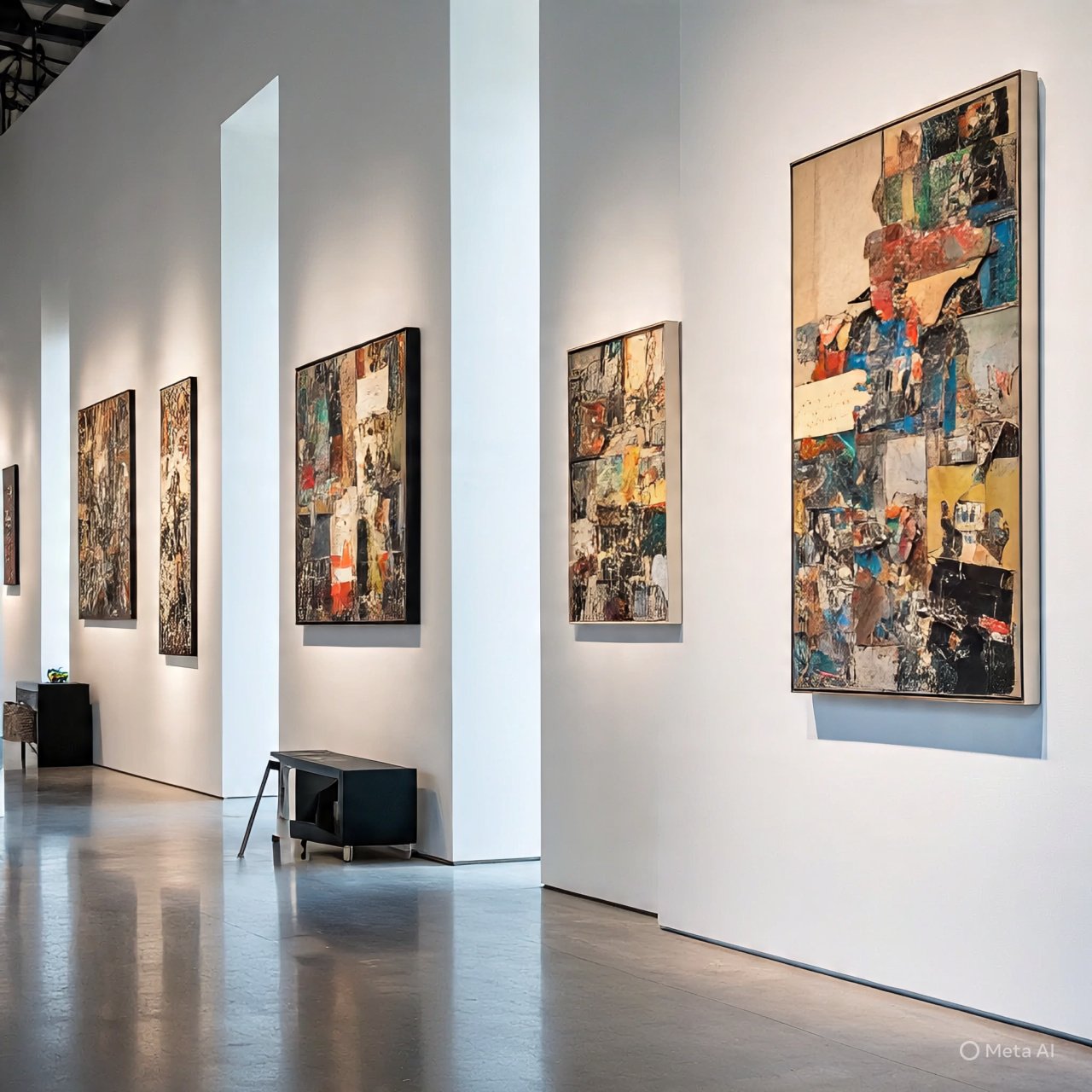
The history of collage in modern art is a story of reinvention, resistance, and radical creativity. Collage isn’t just about cutting and pasting materials—it’s a reflection of social, cultural, and political changes. From Picasso’s Cubism to today’s digital art, collage continues to push the boundaries of what art can be.
2. What is Collage A Creative Foundation
Collage comes from the French word coller, meaning “to glue.” In its simplest form, it’s the art of assembling different materials—paper, photos, fabric, or found objects—into a unified whole. But beyond technique, collage embodies fragmentation, layering, and storytelling, which makes it a powerful form of modern expression.
3. The Origins of Collage in Art History
3.1 Early Inspirations in Ancient Cultures
Although modern collage began in the 20th century, its spirit existed earlier. Ancient Egyptians layered papyrus, and Japanese artists used paper cuttings for decoration. These early practices foreshadowed the layering we now associate with collage.
3.2 Collage in Medieval and Renaissance Art
Medieval manuscripts featured cut-and-paste techniques with gold leaf and illustrations. Renaissance artists experimented with incorporating textiles and textures into their works—early echoes of modern collage.
4. The Birth of Modern Collage Cubism and Beyond
4.1 Picasso Braque and the Invention of Collage
The history of collage in modern art truly began around 1912 with Pablo Picasso and Georges Braque. Through Cubism, they introduced cut paper, newspaper, and fabric into paintings, redefining art.
4.2 Dada Movement and Political Collage
In the 1920s, the Dada movement used collage for shock and critique. Artists like Hannah Höch created photo-montages that challenged politics, gender roles, and war.
4.3 Surrealism and Symbolism in Collage
Surrealists such as Max Ernst used collage to explore the subconscious. Strange juxtapositions created dreamlike worlds, giving collage psychological depth.
5. Collage in Post War Modernism
5.1 Abstract Expressionism and Collage
Post-WWII artists integrated collage with painting. Robert Rauschenberg’s “Combines” blurred the line between painting, sculpture, and collage.
5.2 Pop Art and Consumer Culture
Artists like Richard Hamilton and Andy Warhol turned collage into a critique of consumerism, advertisements, and mass media.
6. Techniques in Collage From Paper to Digital
6.1 Traditional Methods
Cut-and-paste with magazines, newspapers, and photos.
6.2 Mixed Media Innovations
Artists combine painting, textiles, 3D objects, and found items.
6.3 Digital Collage in the 21st Century
With Photoshop and AI tools, digital collage dominates online art platforms, making collage more global and accessible than ever.
7. Collage as Social Commentary
7.1 Protest Art and Political Movements
Collage has been central to resistance movements, especially posters and zines challenging authority.
7.2 Feminist Collage and Identity Expression
Feminist artists like Martha Rosler used collage to challenge gender stereotypes and reclaim female identity.
8. Global Perspectives Collage Beyond the West
African artists use recycled materials, while Latin American collage reflects cultural fusion. Asian artists combine calligraphy, photos, and digital art—making collage a truly global medium.
9. Collage in Contemporary Art and Culture
Today, collage shapes fashion, music album covers, social media graphics, and even political memes. It’s no longer confined to galleries—it’s part of everyday culture.
10. The Future of Collage in Modern Art
With the rise of NFTs, AI art, and digital platforms, collage is evolving faster than ever. The essence of collage—fragmentation, layering, and storytelling—remains timeless, ensuring its future relevance.
11. Frequently Asked Questions (FAQs)
Q1: Who invented collage in modern art?
Pablo Picasso and Georges Braque are credited with introducing collage in Cubism (1912).
Q2: What makes collage important in modern art?
It challenges traditional art forms, introduces mixed media, and reflects cultural change.
Q3: Is digital collage considered real art?
Yes, digital collage continues the tradition of layering and combining images in new formats.
Table of Contents
- Introduction: Why the History of Collage in Modern Art Matters
- What is Collage? A Creative Foundation
- The Origins of Collage in Art History
- 3.1 Early Inspirations in Ancient Cultures
- 3.2 Collage in Medieval and Renaissance Art
- The Birth of Modern Collage: Cubism and Beyond
- 4.1 Picasso, Braque, and the Invention of Collage
- 4.2 Dada Movement and Political Collage
- 4.3 Surrealism and Symbolism in Collage
- Collage in Post-War Modernism
- 5.1 Abstract Expressionism and Collage
- 5.2 Pop Art and Consumer Culture
- Techniques in Collage: From Paper to Digital
- 6.1 Traditional Methods
- 6.2 Mixed Media Innovations
- 6.3 Digital Collage in the 21st Century
- Collage as Social Commentary
- 7.1 Protest Art and Political Movements
- 7.2 Feminist Collage and Identity Expression
- Global Perspectives: Collage Beyond the West
- Collage in Contemporary Art and Culture
- The Future of Collage in Modern Art
- Frequently Asked Questions (FAQs)
- Conclusion
12. Conclusion
The history of collage in modern art is a story of creativity, resistance, and transformation. From Cubist experiments to digital revolutions, collage remains a mirror of society’s shifts. It connects past and present, personal and political, local and global. As art continues to evolve, collage will always stand as a powerful tool of expression and innovation.