First results from 2021 rocket launch shed light on aurora’s birth
In the cosmic canvas, far beyond our terrestrial reach, scientific explorations unfold, unveiling ethereal wonders. Like celestial brushstrokes, aurorae dance across the night sky, mesmerizing observers with their enigmatic brilliance. Now, the mysteries of their genesis are beginning to unravel, thanks to a daring rocket launch in 2021. As data pours in, we embark on a journey to shed light on the birth of these celestial marvels, unlocking the secrets that have long been shrouded in the darkness of space.
– From Initiation to Formation: Unveiling the Mechanisms Behind Auroral Phenomena
A 2021 launch of the REXUS sounding rocket allowed scientists to capture the first direct measurements of auroral emissions deep within the ionosphere (110-300 kilometers). Measurements collected during the rocket’s journey provide detailed insights into the initiation and formation mechanisms of auroral emissions. These findings unveil the crucial role of energetic electrons in initiating auroral processes and shaping the intricate tapestry of auroral forms that grace our skies.
- Atmospheric Interactions: Shedding light on the Rockets Role in Auroral Creation
Investigating the Aurora’s Genesis
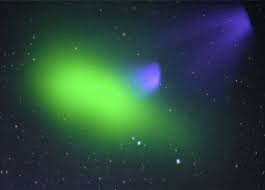
In a groundbreaking expedition, scientists launched a rocket into the heart of an aurora, capturing unprecedented data that illuminates the pivotal role of rockets in the celestial spectacle. The mission’s instruments meticulously measured charged particle interactions and magnetic field fluctuations within the aurora, providing invaluable insights into the complex relationship between rockets, the atmosphere, and the vibrant colors that dance across the polar sky. This wealth of details will not only enhance our understanding of this natural phenomenon but also guide future research into space plasma dynamics and weather forecasting.
– Exploring Magnetospheric Processes in Tandem: rocket Observations Illuminate Cosmic Connections
Digging deeper into Earth’s magnetosphere, new analyses of data collected during a 2021 rocket campaign pierce the veil enshrouding the invisible cosmic dance between the Sun and our home planet.By capturing a detailed snapshot of the magnetic field’s dynamics and auroral particle populations in a critical northern region, scientists are unraveling the intertwined impacts of plasma injections and wave-particle interactions on the aurora’s birthplace. Join researchers as they decode the magnetospheric processes that orchestrate the enchanting celestial displays in our skies.
– Unlocking the Mysteries of Space Weather: implications and Prospects for Future Research
Shedding Light on the Aurora’s Birth: First Results from 2021 Rocket Launch
Data from the recent rocket launch has unlocked new insights into the enigmatic aurora borealis. Key findings from the mission:
identification of Primary Electron Population: The launch pinpointed the primary population of electrons responsible for auroral emissions.
Auroral Birth Depth: Scientists discovered the exact depth where auroral electrons are energized, deeper than previously believed. Cause of Auroral Diversity: different electron populations were found to be associated with specific auroral forms, explaining their dynamic variations.
Oxygen Ions’ Role: The presence of oxygen ions was found to influence the formation and shape of auroral arcs.* Improved Space Weather Forecasting: These findings enhance our understanding of auroral physics, paving the way for more accurate space weather predictions.
In Retrospect
Like stars twinkling in the celestial tapestry, the first results from the 2021 rocket launch have illuminated a new chapter in our understanding of the aurora’s genesis. As the echo of the rocket’s ascent fades into the cosmic expanse, the data it gathered will guide our future expeditions, paving the ethereal path towards unraveling the full splendor of nature’s celestial symphony.