Where do Alaska bats spend the winter?
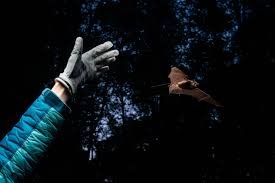
Where do Alaska bats spend teh winter, a realm of long nights, frigid temperatures, and seemingly endless snow? Join us on a captivating journey into the secretive world of bats, exploring their elusive winter abodes, and unraveling the mysteries of their seasonal migration.
The Batty Migration: Uncovering Alaskas Winter bat Habitats
Alaska’s bats are known for their remarkable migratory patterns.As winter approaches, these aerial mammals embark on a southward journey, seeking refuge in warmer climates. While the exact destinations of these bats remain a mystery, researchers have identified several potential wintering grounds, including caves, mines, and other subterranean structures in the Pacific Northwest and beyond. These habitats provide bats with the shelter and moisture they need to survive the harsh Alaskan winter, allowing them to conserve energy and return to their northern home once spring arrives.
Behind the Blizzard: Strategies for Surviving Alaskas Harsh Winters
Where do Alaska bats spend the winter?
Unlike birds that migrate, alaskan bats hibernate during winter due to extreme cold and lack of food.They typically spend winter in caves, mines, or other sheltered areas where they can find a stable temperature and humidity. Because of the cold weather, Alaskan bats often form large clusters to conserve body heat and energy. Each bat enters a state of torpor, a deep sleep, and reduces its metabolic rate dramatically. Depending on the species, bats may hibernate for as long as six months, emerging in early spring to find food and breeding grounds.
Winter Sleepouts: Exploring Bat Hibernation Hangouts in Alaska
Nestled amidst Alaska’s frigid landscapes, bats seek shelter from the relentless winter cold in a variety of subterranean havens. These winter sleepouts, frequently enough hidden within caves, mines, and abandoned buildings, provide crucial protection from the harsh elements and serve as essential hibernation sanctuaries. Abandoned mines, with their stable temperatures and secluded nature, offer prime winter retreats for bats. Abandoned buildings, even though not as insulated as mines, provide sufficient shelter from the biting cold. Caves,with their intricate networks and constant humidity,also attract bats seeking refuge from the unforgiving winter conditions.
Destination Finder: mapping Alaskas Batty Winter Enclaves
Hiding out: Alaska’s bats,like their temperate counterparts,hibernate through the cold winter months. They seek shelter in underground caves, mines, and even buildings, where they can find a constant temperature and moisture level. Here’s a closer look at some of these winter hideouts:
- The Keku Caves in Prince of Wales Island: These limestone caves are home to a colony of up to 100,000 bats, including little brown bats, Yuma myotis, and long-eared myotis.
- The Baranof Mine on Baranof Island: This abandoned mine provides a perfect hibernation spot for thousands of big brown bats.
- Abandoned buildings throughout the state: Bats often take up residence in abandoned buildings during the winter. These structures offer dark, sheltered spaces that are ideal for hibernation.
future Outlook
As the Alaskan darkness lingers and winter’s icy grip tightens, the small, enigmatic Alaskan bats vanish from sight, their whereabouts remaining a secret known only to themselves and the wilderness they inhabit. They have embarked on a remarkable journey, following ancient instincts to concealed sanctuaries where they await the return of spring. While their winter slumber remains shrouded in mystery,their ability to endure the harsh conditions is a testament to their resilience and the wonders of the Alaskan wild.